GK Construction Solutions has become one of the most essential materials in modern residential construction, valued for its durability, versatility, and long-term performance. While it was once seen primarily as a structural or foundational material hidden beneath finishes, it now plays a much more visible and functional role in residential design. Driveways, walkways, patios, retaining walls, decorative features, and even interior flooring systems increasingly rely on concrete as both a structural solution and an aesthetic element.

Residential concrete services encompass a wide range of applications that go far beyond simple slab pouring. These services are designed to enhance the strength of a property, improve day-to-day functionality, and elevate curb appeal through thoughtful design and precision workmanship. Whether used for foundational support or decorative landscaping features, concrete offers a balance of performance and visual appeal that few other materials can match.
Understanding how residential concrete services contribute to strength, functionality, and curb appeal requires a closer look at how the material is used, maintained, and customized within residential environments.
The role of concrete in residential strength and structural integrity
At its core, concrete is fundamentally a structural material. Its compressive strength makes it ideal for supporting heavy loads, resisting environmental stress, and providing long-term stability for residential structures. From foundations to load-bearing surfaces, concrete forms the backbone of many residential systems.
One of the key advantages of concrete is its ability to withstand a wide range of environmental conditions. It resists moisture penetration when properly sealed, holds up under temperature fluctuations, and provides a stable base that does not easily shift or deform. This makes it particularly valuable in areas where soil movement, heavy rainfall, or temperature variation can compromise less durable materials.
Residential concrete services contribute to structural strength in several key ways:
- Foundation installation and reinforcement that supports the entire structure.
- Concrete slabs that provide stable flooring for garages, patios, and outdoor areas.
- Retaining walls that stabilize soil and prevent erosion.
- Structural repairs that restore integrity to damaged surfaces.
- Reinforcement techniques, such as rebar integration for added durability.
Each of these applications ensures that a property remains stable and secure over time, reducing the risk of structural failure or costly repairs.
Enhancing everyday functionality through concrete applications
Beyond strength, concrete plays a significant role in improving the functionality of residential spaces. Functional design focuses on how spaces are used in daily life, and concrete offers flexible solutions that enhance usability, accessibility, and convenience.
Driveways made from concrete, for example, provide smooth and durable surfaces that can handle frequent vehicle traffic without rapid deterioration. Walkways and pathways improve movement throughout outdoor spaces, creating clear and stable routes that enhance safety and accessibility. Patios and outdoor living areas extend usable space, allowing homeowners to create functional environments for relaxation and entertainment.
Concrete is also highly adaptable, which allows it to be shaped and finished according to specific functional needs. This adaptability makes it suitable for both large-scale structural applications and smaller design elements that improve usability.
Common functional uses of residential concrete services include:
- Driveways designed for long-term vehicle durability and load-bearing capacity.
- Sidewalks and walkways that improve property navigation and safety.
- Outdoor patios that expand living and entertainment space.
- Garage floors engineered for heavy-duty use and resistance to wear.
- Steps and entryways that provide stable and safe access points.
These functional improvements contribute directly to the livability and practicality of a residential property.
The aesthetic transformation of modern concrete design
While concrete is known for its strength, it has also become a key element in modern aesthetic design. Advances in finishing techniques, coloring methods, and stamping technologies have transformed concrete into a visually versatile material that can mimic natural stone, tile, brick, or even polished surfaces with a sleek contemporary look.
This evolution has allowed concrete to move beyond purely utilitarian uses and become an important part of architectural expression. Homeowners and designers increasingly use decorative concrete to enhance curb appeal and create visually cohesive outdoor environments.
Decorative techniques include stamped patterns, exposed aggregate finishes, staining, polishing, and textured surfaces. These methods allow concrete to be customized to match different architectural styles, from traditional to modern minimalist designs.
Aesthetic benefits of residential concrete services include:
- Custom color options that complement exterior design themes.
- Decorative stamping that replicates natural materials like stone or brick.
- Polished finishes that create a modern, refined appearance.
- Textured surfaces that enhance visual depth and interest.
- Seamless integration with landscaping and exterior features.
Through these design options, concrete becomes not just a functional material but also a key contributor to curb appeal.
Increasing property value through concrete improvements
Residential concrete services can have a direct impact on property value. Well-designed and properly installed concrete features improve both the appearance and functionality of a home, which can make the property more attractive to potential buyers.
A well-maintained driveway, for instance, creates a strong first impression, while a thoughtfully designed patio can enhance the perceived livable space of the property. Structural improvements such as reinforced foundations or retaining walls also provide reassurance about the long-term stability of the home.
From a real estate perspective, concrete improvements are often considered high-value investments because they combine durability with visual enhancement. Unlike some materials that require frequent replacement or maintenance, concrete offers long-term performance with relatively low upkeep requirements.
Durability and low maintenance advantages
One of the most significant benefits of concrete is its durability. When properly installed and maintained, concrete surfaces can last for decades without major deterioration. This longevity makes it a cost-effective choice for residential applications.
Concrete is resistant to many common forms of damage, including weathering, pest activity, and general wear and tear. While it may develop minor cracks over time due to natural settling or temperature changes, these issues are typically manageable with routine maintenance.
Low maintenance requirements also contribute to its appeal. Unlike materials that require frequent sealing, painting, or replacement, concrete generally only needs occasional cleaning and periodic sealing to maintain its appearance and performance.
Key durability advantages include:
- Resistance to heavy loads and structural stress.
- Long lifespan with proper installation.
- Minimal maintenance requirements compared to alternative materials.
- Ability to withstand weather extremes.
- Strong resistance to wear from daily use.
These characteristics make concrete a practical and economical choice for long-term residential use.
The importance of proper installation and workmanship
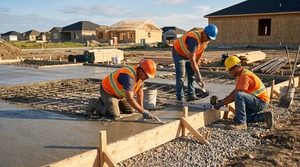
The performance of concrete is highly dependent on the quality of installation. Even high-quality materials can fail prematurely if not properly mixed, poured, and cured. Residential concrete services, therefore, rely heavily on skilled workmanship and precise execution.
Proper site preparation is essential to ensure stability and prevent future issues such as cracking or uneven settling. This includes grading the surface, compacting the base, and ensuring proper drainage. During installation, attention to detail in mixing ratios, reinforcement placement, and finishing techniques plays a critical role in the outcome.
Curing is another important stage, as it allows the concrete to reach its full strength over time. Improper curing can lead to weakened surfaces or increased susceptibility to damage.
Sustainability and modern concrete practices
Modern residential concrete services are increasingly incorporating sustainable practices. This includes the use of recycled materials, improved production methods that reduce environmental impact, and design approaches that enhance energy efficiency in surrounding structures.
Permeable concrete options, for example, allow water to pass through the surface, reducing runoff and improving drainage. This can be particularly beneficial in residential landscapes where water management is a concern.
Sustainable practices in residential concrete work often focus on:
- Reducing material waste during construction.
- Incorporating recycled aggregates.
- Improving energy efficiency in production processes.
- Enhancing water management through permeable designs.
- Extending product lifespan to reduce replacement frequency.
These practices align with broader trends in environmentally conscious construction.
Versatility across residential applications
One of the defining strengths of concrete is its versatility. It can be used in both structural and decorative applications, indoors and outdoors, and in large or small-scale projects. This flexibility allows homeowners to maintain design consistency across different parts of a property.
Concrete can be shaped into complex forms, combined with other materials, or finished in a wide range of textures and colors. This adaptability makes it suitable for everything from foundational work to decorative garden features.
Residential concrete services play a vital role in enhancing the strength, functionality, and curb appeal of modern homes. Through its structural reliability, design flexibility, and long-term durability, concrete supports both practical and aesthetic goals in residential construction.
From driveways and patios to foundations and decorative finishes, concrete contributes to nearly every aspect of a property’s performance and appearance. Its ability to combine strength with visual versatility makes it one of the most valuable materials in residential design.
Ultimately, investing in professional concrete services is not just about improving individual features of a home—it is about creating a more durable, functional, and visually appealing living environment that stands the test of time.