Cabinet Refinishing for Small Kitchens – Big Impact on a Budget

Cabinet Refinishing

Revitalize small kitchens with cabinet refacing. Incorporate smart storage solutions to optimize space and create a harmonious, visually appealing environment.

San Jose Cabinet Refinishing is an efficient and cost-effective way to transform your home. It uses premium materials that withstand heat, moisture and daily wear and tear. This is a long-term solution for homeowners who want to avoid expensive kitchen remodels.

Color

Cabinet refinishing allows you to customize your kitchen’s aesthetic without the major expense of full replacement. With a wide range of paint colors, stains, and finishes available, you can create the look you love. Whether you prefer sleek and contemporary or warm and traditional, the possibilities are endless. You can also upgrade hardware, including handles and knobs, to further personalize the look.

Refinishing is ideal for homeowners with limited budgets who want to refresh their cabinets without a significant investment. It’s also a good choice if your cabinet boxes are in good condition and only show minor signs of wear. The process usually takes 3-5 days on-site and doesn’t involve demolition or extensive downtime. Adding modern features like soft-close hinges or drawer glides is an affordable way to boost functionality and add value.

While refinishing isn’t the right solution for every homeowner, it offers a cost-friendly alternative to refacing and provides long-term value. A quality job will withstand years of use and stand up to moisture and heat. Refinishing requires extensive prep that includes a thorough inspection, cleaning, and deglossing, followed by light sanding or chemical stripping to smooth surfaces. It also involves high-quality priming and multiple coats of topcoat, including conversion varnish and waterborne polyurethanes for durability. Frederick Painting professionals use spray application for a more even finish and low-VOC paints to reduce odors and environmental impact.

Choosing between cabinet refacing and refinishing is an important decision for any homeowner, especially those with small, restrictive spaces. The cost of refacing is higher than refinishing, but it delivers more substantial visual and functional improvements. The investment will pay off at resale, where buyers place a premium on updated and well-maintained home features.

While you may be tempted to tackle this project as a DIY-friendly endeavor, professional installation ensures a precise fit and flawless finish, eliminating the need for costly touchups and repairs. It’s also less disruptive than a total replacement, with minimal dust and odors during the project and quick recovery time. Professionals protect floors, countertops, and other areas, and they may remove doors for offsite spraying to ensure a consistent finish.

Lighting

The kitchen is the heart of the home, but over time, it can also show signs of wear and tear. When your cabinets become dull and drab, it’s time to consider a refresh. The options include replacing, refacing or refinishing. While replacing is a major remodel, refacing and refinishing offer cost-friendly solutions that revitalize your space.

Before you get started, it’s essential to decide which method is right for your lifestyle and budget. Here are the top tips to help you choose the best cabinet update for your needs:

Lighting is a key element in any kitchen, and it can make or break the room’s aesthetic and function. Lighting designer Debbie Bernstein recommends recessed downlights with a wide beam spread as one of the best upgrades for small kitchens. She says the right fixtures can illuminate work zones, highlight design elements and make small rooms feel larger.

She also suggests adding wall sconces for ambient or task lighting. These can be used to illuminate a dark corner or over the sink. A pendant light is another great option for creating a focal point above an island or counter, but it’s not always possible in a tight space. If you don’t have the ceiling height for a hanging fixture, try a flush mount or semi-flushmount light instead.

In addition to saving money, refinishing is an eco-friendly choice. It preserves existing materials and avoids waste from ending up in landfills. It’s an especially good choice if you plan to sell your home in the near future. Homebuyers place a high premium on updated kitchens, and refinishing can boost your home’s resale value.

While refacing isn’t as environmentally friendly as refinishing, it is the most budget-friendly option. It is also highly customizable, allowing you to change the material, style and hardware. You can even add glass panes to your doors or restructure the layout. Choosing durable materials will ensure your new cabinets stand up to heavy use. It’s a smart upgrade for homeowners who want a drastic style transformation or need to replace damaged cabinets.

Materials

Cabinet refinishing allows homeowners to achieve a dramatic visual impact on the space at a fraction of the cost of full replacement. It’s a smart short-term solution for style shifts, and it can be repeated as needed to refresh the look. Professional paint prep and multi-stage topcoats improve durability and resist chips, moisture damage, and stains. Achieving a glossy sheen or a high-reflective finish helps the room appear larger, and can make your kitchen feel brighter and more inviting.

Painting is a less disruptive solution than full replacement, reducing dust and mess in the home during construction. It’s also a more eco-friendly option, diverting hundreds of pounds of waste from landfills. Depending on the scope of the project, refinishing can run several days to a week, with professionals protecting floors and countertops, and using containment to minimize exposure to hazardous chemicals. The results are durable, and the doors can be easily updated with new hardware to enhance the style.

Changing the color of your cabinets is a powerful design element. Light colors reflect natural light to make small spaces feel airy and spacious, while contrasting accents add depth and interest. A skilled technician can apply a smooth, even coat of high-quality acrylic latex or waterborne polyurethane for a hardwearing surface that resists chips and stains. The right finish can add longevity to the life of your cabinets, and options like satin or semi-gloss clean easier and hold up better to heat.

The choice of door and drawer hardware can also make a big difference in your kitchen’s aesthetic. Minimalist designs can be achieved with sleek, flat surfaces and simple styles that blend with many different interior design schemes. Redo can help you select a style that matches your tastes, and incorporate storage solutions tailored to your specific needs.

Both refacing and refinishing provide great ways to improve the design and function of your small kitchen, but refacing is more of a long-term investment than refinishing. With proper care, refacing materials can last 15 to 20 years.

Preparation

Cabinet refacing isn’t as labor-intensive as a full kitchen remodel, which can save on the cost of materials and reduce waste in landfills. It’s also a more environmentally-conscious choice, as it reuses existing cabinet structures rather than sending them to the scrap pile. Whether you’re opting for a traditional, modern or something in between style, cabinet refacing is highly customizable. You can change the color of the cabinets or add decorative elements, like crown molding or glass door panels. You can even upgrade the hardware with new knobs and pulls for an updated look.

Cabinet refinishing isn’t as complicated as a complete replacement, but it still requires careful prep and plenty of drying time. If you want to make sure the finished result is flawless, it’s best left to professionals who can deliver a smooth, durable finish that resists peeling over time. It’s also important to properly clean and sand the surface of the cabinets before proceeding with refinishing, as this helps ensure your new paint or stain will adhere well.

Refinishing your cabinets can also help increase the resale value of your home, as buyers often place a premium on homes with well-maintained and updated kitchens. Boost your home’s market value by choosing a light, airy color that brightens the space and makes it feel larger and more open. Incorporate under-cabinet lighting to illuminate countertop workspaces and eliminate shadows, further helping your kitchen to feel more spacious and inviting.

A complete kitchen remodel can be a major hassle, requiring extensive demolition and reconstruction that disrupts daily life and can cause significant stress. The cabinet refacing and refinishing process, by contrast, is much less disruptive, allowing you to use your kitchen for cooking and other activities during the entire project. The process is also a lot cleaner, as the majority of cutting, sanding and drilling occurs within the confines of your cabinet boxes. This minimizes the spread of dust and dirt throughout your home and avoids the mess associated with a full replacement project. This can be particularly helpful if you have young children or pets.

Visit our Professional Services Blogs

Smart Choice Plumbing And Air, Sanitize My Airducts, Bethesda Locksmith, Golden Coast Cleaners, Advanced Concrete Staining, Home Pool Cleaners, Brayhines Septic, Shaka Pool And Spa Cleaning,Mr Clean And Shine, Best Appliance Repair Long Beach, Gulf to Bay Water Remediation, Garage Door San Francisco, Richmond Flooring, Fence Builders Woodlands, Colorado Springs Auto, Fuel Frontlines, Expert 24 Option, Sacramento Roseville Real Estate, SLO Homes, Philadelphia Towing, State Powerwashing, Truck Tires Worldwide, Website Translation, Construction Company Farmington NM, Green Home Los Angeles, Trinity SEO Marketing, Electric Fireplaces, Argos Bookkeeping, Christopherson Drywall,Garage Door Installation, Missouri Personal Injury Lawyer Blog, Alvins Auto Body, Carpet Care Pros, Las Vegas Concrete, Clark Concrete Company, Deck Builders Missour City, Lechleitner Builders, Medical Health Insurance Policy, Royal Siding Windows, Carpet Steam Cleaners Review, Go Greeen Lawn Painting, Oakwood Skate Deck, Texas Home Remodeling And Painting, USA Home Repair Remodeling, Dream Home Remodeling Services, Brent Lawn Homes, Great Ernm Homes, Accelerated Orthodontic, Arctic Cooling And Heating, Baltimore Heating And Airconditioning

Residential Concrete Services: Enhancing Strength, Functionality, and Curb Appeal

Residential concrete services play a vital role in building durable, functional, and visually appealing outdoor and indoor spaces for homeowners. Concrete is one of the most versatile construction materials available, offering long-lasting performance and design flexibility for a wide range of residential applications. From structural foundations to decorative surfaces, professional GK Construction Solutions helps ensure quality results that stand the test of time.

Homeowners increasingly choose concrete solutions because of their durability, low maintenance requirements, and ability to complement various architectural styles. Understanding the scope of residential concrete services and their benefits helps homeowners make informed decisions when planning construction, repair, or improvement projects.

concrete services

Understanding Residential Concrete Services

Residential concrete services encompass the installation, repair, and maintenance of concrete structures within residential properties. These services are designed to support both functional needs and aesthetic goals, creating surfaces that are safe, durable, and visually appealing.

Concrete can be customized through different finishes, textures, and reinforcement methods. Professional concrete services ensure that each project meets structural requirements while achieving the desired appearance.

Common residential concrete applications include driveways, walkways, patios, foundations, and slabs.

Why Concrete Is Ideal for Residential Projects

Concrete is widely used in residential construction due to its strength and adaptability. When properly installed, concrete surfaces can withstand heavy loads, weather exposure, and daily wear.

In addition to durability, concrete offers flexibility in design. Decorative options allow homeowners to achieve unique looks that enhance curb appeal and property value.

Key benefits of residential concrete include:

  1. Long-lasting strength and durability
  2. Versatile design options and finishes

These advantages make concrete a preferred choice for many residential projects.

Types of Residential Concrete Services

Residential concrete services cover a wide range of projects tailored to homeowners’ needs. Each service is designed to address specific functional and aesthetic requirements.

Installation services focus on creating new concrete surfaces, while repair and restoration services address existing damage. Maintenance services help preserve the integrity and appearance of concrete over time.

Professional concrete providers assess each project individually to determine the best approach and materials.

Concrete Driveways and Walkways

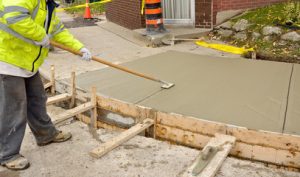
Concrete driveways and walkways are among the most common residential concrete services. These surfaces provide safe and durable access points while contributing to the home’s overall appearance.

Concrete driveways offer superior load-bearing capacity and long-term performance compared to other materials. Walkways benefit from smooth, slip-resistant finishes that improve safety.

Proper installation ensures even surfaces, effective drainage, and resistance to cracking.

Patios and Outdoor Living Spaces

Concrete patios create versatile outdoor living areas that enhance comfort and usability. These spaces can be designed for relaxation, entertainment, or dining.

Decorative concrete techniques allow patios to mimic the appearance of stone, brick, or tile while maintaining the durability of concrete. Textured finishes improve traction and visual appeal.

Concrete patios are customizable and designed to withstand outdoor conditions year-round.

Concrete Foundations and Slabs

Foundations and slabs are critical components of residential structures. Concrete provides the strength and stability needed to support buildings and protect them from shifting or settling.

Professional residential concrete services ensure proper site preparation, reinforcement, and curing. These steps are essential for creating foundations that maintain structural integrity over time.

High-quality concrete foundations contribute to the overall safety and longevity of the home.

Decorative Concrete Options

Decorative concrete has become increasingly popular in residential applications. Homeowners appreciate the ability to achieve unique designs without sacrificing durability.

Stamped, stained, and polished concrete finishes add character to patios, driveways, and interior floors. These techniques allow for customization while maintaining easy maintenance.

Decorative concrete enhances both interior and exterior spaces, adding value and visual interest.

Concrete Repair and Restoration Services

Over time, concrete surfaces may develop cracks, chips, or surface wear. Residential concrete repair services address these issues to restore function and appearance.

Repair techniques vary depending on the extent of damage. Minor cracks may be sealed, while more significant damage may require resurfacing or partial replacement.

Timely repairs help prevent further deterioration and extend the lifespan of concrete surfaces.

Importance of Proper Installation Techniques

Proper installation is essential for achieving durable concrete results. Residential concrete services involve precise mixing, placement, and curing processes.

Professionals follow established methods to ensure even surfaces and proper reinforcement. Attention to detail during installation reduces the risk of cracking and surface defects.

Quality installation contributes to long-lasting performance and reduced maintenance needs.

Weather and Environmental Considerations

Environmental factors play a significant role in residential concrete projects. Temperature, moisture, and soil conditions can affect concrete performance.

Professional concrete services account for these factors during planning and installation. Proper curing techniques protect concrete from weather-related issues and improve durability.

Considering environmental conditions ensures optimal results and long-term reliability.

Maintenance of Residential Concrete Surfaces

Although concrete is low maintenance, proper care helps preserve its appearance and strength. Regular cleaning and sealing protect surfaces from stains and moisture intrusion.

Maintenance routines may vary depending on surface type and exposure. Outdoor surfaces benefit from periodic inspections to identify early signs of damage.

Maintaining concrete surfaces extends their lifespan and enhances their visual appeal.

Choosing Professional Residential Concrete Services

Selecting experienced professionals is essential for successful concrete projects. Residential concrete services require specialized knowledge of materials, techniques, and design options.

Professional concrete services typically offer:

  1. Comprehensive project assessment and planning
  2. Skilled installation and reliable workmanship

Working with professionals ensures that projects are completed efficiently and to high standards.

Long-Term Value of Residential Concrete Services

Investing in residential concrete services provides long-term value for homeowners. Durable concrete surfaces reduce the need for frequent repairs and replacements.

Concrete improvements also enhance curb appeal and overall property value. Well-designed and maintained concrete features contribute to a positive first impression.

Long-term durability and aesthetic appeal make concrete a smart residential investment.

Sustainability and Concrete Use

Concrete is increasingly recognized for its sustainability benefits when used responsibly. Long-lasting concrete surfaces reduce material waste over time.

Modern concrete practices focus on efficient use of resources and improved durability. These approaches support environmentally conscious construction goals.

Sustainable concrete solutions align with modern residential building practices.

Residential concrete services offer homeowners reliable solutions for durable and attractive surfaces. From driveways and patios to foundations and decorative features, concrete provides unmatched versatility and strength.

Professional installation, repair, and maintenance ensure that concrete surfaces perform well and maintain their appearance. By choosing quality residential concrete services, homeowners can enhance functionality, safety, and long-term value.

Visit our Professional Services Blogs

Chris Atkins Lawncare, Atticus Landscaping, Treasure Coast Pressure Wash, Gulf Beach Plumbing, Marlborough Plumbing, Guns And Hoses Pressure Washing, Ambrose Construction, Coral Gables Pressure Washing, Willco Photography, Roofing Akron, Danalogsdon Roofing El Cajon, EC Siding Roofing Windows, Aurora Gutter, American Insurance Source, ECO, etdn, Denison Service League,  Roofing Blog, Atlantic Vinyl Windows, Brookshires Fireplaces, JD Advanced Remodeling, Product Judgment, Master Dry Foundation Repair, Moe’s Hip, Elta Patio Paramount, Rock Around The Clock Festival, Learn, Play, Beyond, MoralesT Gardening, Car Window Tinting Perth, Duncan Carpentry, Gatestone Lighting, Mid Missouri Mold Inspections, Stucco Repair Albuquerque, Wausau Siding Hire, Munster Tree Care, Blue Granite Homes, Custom House, CENTRAL OS, Atlanta Pavers, Phillips Law Firm, Brent Ryder MasonryWalker Construction Drywall Division, RJ Law, Caledon Plumbing, DDS Tech USA, Maine Mortgage Services, Inckpen, Seasons at Rose Creek, Cottonwood Place Dental, Cosmetic Laser 2000 

A Comprehensive Guide to Roofing Services and Why They Matter for Every Property

Roofing Contractor services play a crucial role in maintaining the safety, durability, and long-term value of residential and commercial properties. A roof is more than just a structural covering—it is a carefully engineered system designed to protect against weather, enhance energy efficiency, and support the overall integrity of the building. Because roofs face constant exposure to sun, rain, wind, and temperature fluctuations, they require regular care and professional attention to perform at their best. As property owners become more proactive about structural maintenance, roofing services have become essential for extending roof lifespan, preventing costly damage, and ensuring year-round protection. Understanding the full scope of roofing services can help homeowners and property managers make informed decisions that safeguard their investment and improve long-term property performance.

roofing

One of the most common roofing services is inspection, which serves as the foundation for proper roof care. Professional roof inspections involve a detailed evaluation of the roofing system, including shingles, flashing, gutters, vents, underlayment, and structural elements. These assessments help identify issues such as wear and tear, moisture buildup, loose components, or early signs of deterioration before they become major problems. Regular inspections allow property owners to address concerns proactively instead of reacting to unexpected damage. Early detection prevents small repair needs from turning into expensive structural issues, making roof inspections a cost-effective and essential maintenance practice.

Roof repair is another fundamental service that protects the integrity of the roofing system. Over time, roofs naturally develop issues due to aging materials, weather exposure, or accidental impact. Common repair needs include replacing damaged shingles, fixing leaks, resealing flashing, correcting ventilation imbalances, and addressing water intrusion. Professional roofers use specialized tools and materials to ensure repairs are durable and aligned with the original roofing structure. Proper roof repair restores functionality, prevents further damage, and extends the life of the roof. Without timely repairs, minor roofing issues can escalate quickly, causing structural weakening, interior water damage, and mold growth.

For roofs that have reached the end of their lifespan or suffered significant damage, roofing replacement is often recommended. Roof replacement involves removing the old roofing materials, assessing the underlying structure, and installing new, high-quality components designed for long-term durability. Professional roofing services ensure that replacements comply with industry standards, proper installation techniques, and manufacturer specifications. A new roof provides immediate benefits such as improved energy efficiency, enhanced curb appeal, and increased property value. Additionally, modern roofing materials offer greater resistance to weather, better insulation, and longer warranties, making roof replacement a valuable investment for long-term protection.

Roof installation is an essential service for new constructions and property additions. Proper installation requires precision, technical knowledge, and an understanding of how each layer of the roofing system works together. Roofing professionals determine the best materials, underlayment options, and ventilation systems based on the structure’s design and the environment it will face. A correctly installed roof ensures stability, longevity, and optimal performance for decades. Poor installation, on the other hand, can lead to leaks, structural problems, and premature deterioration, underscoring the importance of qualified roofing experts in new building projects.

Another crucial roofing service is maintenance, which helps preserve the roof’s condition and performance over time. Maintenance often includes cleaning debris from the surface, clearing gutters, checking for loose components, treating areas for moss or algae, and reinforcing protective layers. Regular maintenance helps reduce the risk of damage from accumulated debris, water pooling, or clogged drainage systems. By keeping the roof clean and functional, property owners can greatly extend the lifespan of the roofing system. Maintenance services are especially valuable for properties in environments with seasonal storms, heavy winds, or extreme temperature shifts.

Gutter services are also an important part of roofing maintenance. Gutters play a vital role in managing water runoff, directing rainwater away from the structure to prevent foundation damage, erosion, and flooding. Over time, gutters can become clogged with leaves, dirt, and debris, causing water to overflow and damage roofing materials. Professional gutter cleaning and repair ensure proper water flow and reduce the risk of roof leaks. In some cases, gutter replacement or upgrades may be recommended to improve drainage efficiency and protect the property from water-related issues.

Roof ventilation services are essential for maintaining proper airflow within the roofing system. Adequate ventilation helps regulate indoor temperatures, prevent moisture buildup, and protect against mold growth. Poor ventilation can lead to heat accumulation in the attic, which can cause roofing materials to deteriorate faster. Roofing professionals assess the ventilation needs of the property and install or repair vents to ensure balanced airflow. Proper ventilation enhances energy efficiency, reduces wear on HVAC systems, and helps maintain a comfortable indoor environment year-round.

Waterproofing and sealing services are also key components of roofing care. Waterproofing involves adding protective layers or coatings that shield the roof from moisture penetration. This is especially important in areas with frequent rainfall or humidity fluctuations. Waterproofing extends the roof’s durability by preventing leaks, reducing water damage, and protecting the underlying structure. Sealing, on the other hand, reinforces weak points around roof joints, flashing, vents, and pipes. Together, waterproofing and sealing enhance the roof’s resistance to weather conditions and contribute to long-term performance.

Another critical roofing service involves storm damage assessment and restoration. Severe weather can cause significant roof damage, including shingle loss, structural impact, and hidden leaks. Roofing professionals conduct thorough evaluations after storms to identify both visible and unseen damage. They provide detailed assessments and recommendations for repairs or replacements to restore the roof’s integrity. Timely storm damage restoration prevents further issues and ensures the building remains safe, stable, and protected.

For property owners seeking improved energy efficiency, roofing companies also offer energy-saving solutions. These solutions may include installing reflective roofing materials, adding insulation, improving ventilation, or applying energy-efficient coatings. These upgrades help regulate indoor temperatures, reduce the strain on heating and cooling systems, and lower monthly energy costs. Investing in energy-efficient roofing solutions benefits not only the property’s comfort but also its long-term operational efficiency.

Roofing services are not limited to residential properties—commercial roofing services are equally important. Commercial roofs often feature different materials and structural designs compared to residential roofs. Professional roofing companies offer services tailored to flat roofs, metal roofs, membrane systems, and other commercial-specific structures. This includes inspections, leak detection, maintenance programs, and complete system installations. Commercial roofing services ensure that business properties remain safe, compliant with industry standards, and protected from costly disruptions caused by roofing failures.

Emergency roofing services are another essential offering, providing rapid response to urgent roofing issues such as severe leaks, storm damage, or structural hazards. Emergency services help prevent immediate threats to the building and reduce the risk of extensive damage. Quick action by roofing professionals can save property owners significant repair costs and maintain the safety of occupants. Emergency support ensures that critical roofing problems are addressed promptly, even outside regular business hours.

Many roofing companies also provide specialized services such as skylight installation, chimney flashing repairs, roof coating applications, and weatherproofing enhancements. These services contribute to the roof’s overall performance, protection, and functionality. For example, installing a skylight allows natural light into the property while ensuring the structure remains watertight and secure. Roof coatings add an extra layer of protection against UV rays, heat, and moisture, improving the roof’s durability and performance. Chimney and vent flashing services ensure strong seals around protruding structures, reducing the risk of leaks or water intrusion.

Renewable energy solutions, such as solar panel integration, have also become part of modern roofing services. Professional roofers evaluate whether the existing roof can support solar installations and ensure that panels are mounted securely without compromising the structural integrity of the roofing system. Integrating renewable energy solutions through proper installation enhances sustainability and increases the property’s long-term value.

Another benefit of professional roofing services is the detailed documentation they provide. Roofers often create inspection reports, maintenance records, and repair logs that help property owners track the condition of their roof. These documents are valuable for future planning, budgeting, inspections, and real estate transactions. Having a clear history of roofing care increases buyer confidence and helps maintain property value.

Ultimately, roofing services play an essential role in protecting, preserving, and enhancing the structural integrity of buildings. From routine inspections and repairs to full replacements and specialized installations, these services help ensure the roofing system functions effectively and lasts as long as possible. Professional roofing support provides the knowledge, tools, safety measures, and experience needed to address the complex needs of modern roofing systems. By investing in high-quality roofing services, property owners can prevent long-term damage, improve energy efficiency, and maintain a strong, durable structure that withstands the elements year after year.

Building Success with a Trusted General Contractor

Every construction project, whether small or large, requires careful planning, coordination, and execution. At the heart of this process is the general contractor, a professional responsible for overseeing the entire project from start to finish. Hiring a skilled general contractor can make the difference between a smooth construction experience and one filled with costly delays and mistakes.

A general contractor provides essential services that bring together the right people, materials, and processes to turn design concepts into reality. Whether it’s building a new structure, remodeling an existing space, or managing complex construction projects, the role of a general contractor is central to achieving quality results.

general contractor

What is a General Contractor

A general contractor is a professional who manages construction projects on behalf of property owners. They serve as the main point of contact, ensuring that all aspects of the project are completed on time, within budget, and according to specifications.

Their responsibilities typically include:

  • Project Planning – Developing timelines, schedules, and detailed plans.
  • Coordination – Managing subcontractors, suppliers, and laborers.
  • Budgeting – Controlling costs and avoiding unnecessary expenses.
  • Quality Control – Ensuring the project meets safety standards and design expectations.
  • Problem-Solving – Addressing unexpected challenges that arise during construction.

By managing every aspect of a project, a general contractor provides peace of mind to property owners, allowing them to focus on results rather than daily construction concerns.

The Importance of Hiring a General Contractor

Hiring a professional general contractor offers numerous advantages. Construction projects are complex, and without proper management, they can quickly become overwhelming. Some key benefits include:

  • Expertise and Knowledge – General contractors bring years of experience and technical skills to ensure projects are completed correctly.
  • Time Efficiency – With careful scheduling and coordination, projects are completed faster and with fewer delays.
  • Cost Control – Contractors know how to manage budgets, negotiate with suppliers, and prevent costly mistakes.
  • Reliable Subcontractors – A general contractor works with trusted specialists in plumbing, electrical work, carpentry, and more.
  • Stress Reduction – Property owners can step back knowing that their project is in professional hands.

The value of a general contractor lies not only in their skills but also in their ability to keep projects moving forward efficiently.

Services Offered by a General Contractor

General contractors provide a wide range of services tailored to the needs of property owners. Some of the most common include:

  1. New Construction – Building homes, offices, or commercial properties from the ground up.
  2. Renovations – Updating and improving existing spaces to enhance functionality and appearance.
  3. Remodeling – Transforming specific areas such as kitchens, bathrooms, or living spaces.
  4. Repairs and Maintenance – Handling structural repairs or maintenance tasks to ensure buildings remain safe and functional.
  5. Project Management – Overseeing schedules, labor, materials, and inspections for smooth progress.

These services highlight the versatility of a general contractor, making them essential partners for a wide variety of construction projects.

How to Choose the Right General Contractor

Selecting the right general contractor is crucial for the success of any project. A poor choice can result in delays, budget overruns, and disappointing outcomes. To find the right fit, consider the following tips:

  • Experience – Look for a contractor with a strong track record of similar projects.
  • Communication – Clear and open communication ensures everyone stays informed.
  • Reputation – A professional contractor will have positive feedback and references.
  • Transparency – They should provide clear contracts, timelines, and cost estimates.
  • Attention to Detail – A reliable contractor ensures that even the smallest aspects of the project are handled correctly.

Taking the time to evaluate a general contractor ensures that your project is completed successfully and with fewer complications.

The Role of a General Contractor in Cost Management

Budget control is one of the most important aspects of construction. A general contractor helps manage costs by securing materials at competitive rates, preventing errors, and streamlining processes. They also ensure that subcontractors are paid fairly while keeping expenses within the agreed budget.

By balancing quality with cost efficiency, a general contractor ensures that property owners receive the best value for their investment.

General Contractors and Project Safety

Safety is always a top priority in construction. General contractors are responsible for enforcing safety standards and ensuring compliance with regulations. They oversee training, provide protective equipment, and conduct regular inspections to reduce risks on the job site.

This focus on safety protects both workers and property owners, ensuring that projects are completed without unnecessary hazards.

Why General Contractors Are Essential

Construction projects require a wide range of skills, from carpentry and plumbing to electrical work and design. Managing all these elements without professional help can quickly become overwhelming. A general contractor takes on the responsibility of coordinating every detail, ensuring that all parts of the project come together smoothly.

By offering expertise, efficiency, and reliability, general contractors are the foundation of successful construction.

Tips for Working with a General Contractor

To get the most out of your partnership with a general contractor, keep these tips in mind:

  • Be clear about goals and expectations from the start.
  • Maintain open communication throughout the project.
  • Review contracts carefully before signing.
  • Be flexible and prepared for adjustments if unexpected challenges arise.
  • Trust the expertise of the contractor while staying involved in progress updates.

These practices help build a strong relationship and ensure a smooth project experience.

A general contractor is more than just a builder—they are the driving force behind successful construction projects. From managing subcontractors to ensuring safety and quality, they provide the skills and expertise needed to bring visions to life.

Whether it’s a home renovation, a commercial project, or a new construction, hiring a general contractor ensures efficiency, cost control, and professional results. For property owners who want peace of mind and long-lasting quality, partnering with a general contractor is one of the most valuable decisions they can make.

Metal Gate and Fence Maintenance Tips

Metal Gate and Fence

Wrought iron and metal fences require attention to prevent rust, especially around weld points. If rust is allowed to spread, replacement is the only option.

A quick walk around the fence every few months can nip problems in the bud. Using the right rust-removal tools and protective coatings can prevent serious damage. Visit Metal Gate and Fence for more information.

Clean and Lubricate

Even the most rugged iron gates and fences face the threat of corrosion. Philadelphia’s moisture-rich air can wreak havoc on metal components, and even high-quality gates are vulnerable to rusting if not properly maintained. Regular and thorough inspections allow you to spot small issues before they escalate. Rust spots, paint chips, loose screws, and other minor repairs should be addressed promptly to prevent further damage and deterioration.

A simple cleaning routine will help to prolong the life of your iron gate. Use a gentle soap solution with water to remove stubborn dirt, grime, and road salt. Avoid harsh chemicals, which can cause permanent damage to the metal surface. Scrub areas with stubborn stains, then rinse thoroughly to remove soap residue and prevent further damage from rain or sun. After washing, dry the surface completely with a soft cloth.

It’s also a good idea to apply a coat of wax or rust inhibitor to protect the metal surface from future corrosion. Apply the coating in accordance with manufacturer recommendations. The wax or rust inhibitor will provide additional protection from the elements, and it will also help to preserve the color and texture of your fence.

In addition to a regular cleaning regimen, it’s important to lubricate the hinges and hardware on your gate periodically. The constant movement and pressure exerted by the gate can cause the screws to loosen, or the hinges and latches to corrode. Adding a silicone-based lubricant to these areas will reduce friction, prevent rusting, and ensure the gate can open and close with ease.

Keeping proper drainage conditions around your fence and gate will also minimize the risk of corrosion and other damage. Ensure that the ground slopes away from the fence, and consider using drainage solutions to keep water from pooling. Inspect the drainage system regularly, and make any necessary adjustments based on weather patterns. Incorporating smart home technology like corrosion sensors can also detect early signs of rust and corrosion, prompting you to take preventative measures before a potential problem occurs. Some systems also include weather monitoring features that can alert you to changing weather conditions, allowing you to make proactive preparations before inclement weather hits.

Trim Vegetation

Depending on the material of your fence and its location, some plants will need regular trimming. For example, climbing vines may look pretty woven through your metal fence at first glance, but those vines and branches touching the fence will gradually corrode the protective power coating and paint that protect against rusting. Keeping these plants trimmed helps prevent damage to your metal fence and gate, while also keeping it attractive.

Trees with large branches can also be a safety concern, as they could break and fall on the fence or gates, or if they hang too close, may rub against them. Also, tree roots that are allowed to grow into or under a fence can cause structural issues and deteriorate the wood or metal. Inspecting the surrounding area for any hindrances to water flow and drainage is critical to the longevity of your fence. Trimming any plants or twigs that hang over the fence and are touching it is also important to ensure the proper water flow.

Regular inspections can help you spot any minor problems before they become larger ones, like rust spots or scratches. The right cleaners and rust-removal tools can keep vinyl, steel, and aluminum fences looking their best. For example, a few coats of paint can help a wooden fence withstand the elements and prevent moisture damage. And applying a coat of wax to an aluminum fence periodically will add a protective layer and give it that shiny, new appearance.

It’s common for a gate to experience some wear and tear over time, but ignoring these signs can lead to more serious problems like sagging or misalignment. If your gate makes a squeaking or scraping noise, it’s a sign that parts are rubbing together and need to be lubricated. Likewise, a gate that doesn’t latch or stay closed can be a security risk and needs to be fixed as soon as possible. Fortunately, this is an easy fix and can be done at home with some simple tools. In this blog post, we walk you through the steps from identifying the issue to making the necessary repairs.

Inspect Hardware

Performing regular inspections of gates and hardware is essential for the safety & functionality of the gate. These frequent assessments allow property owners to notice problems like misalignment, rust & debris accumulation and resolve them promptly before the damage escalates. It’s also a great time to touch up paint & other surface imperfections that may have been chipped, scratched or damaged from physical impact or environmental exposure.

When performing these maintenance tasks, it’s best to use PPE such as gloves, goggles & protective clothing. In addition to keeping you safe from hazardous materials, these items also help protect your health by preventing contact with harmful bacteria & pests.

Weather extremes wreak havoc on exterior fencing. Rain accelerates rust & wood rot, while ground freezing & thawing or high winds can cause gate misalignment. A gate that no longer closes securely can leave your home and property vulnerable to unwanted intruders.

Rust, corrosion & damaged or worn parts are common problems that can be prevented with consistent cleaning & routine lubrication. Inspecting for these issues on a regular basis allows you to catch them early & correct them before they escalate, saving you money & extending the lifespan of your fence.

While a metal gate or fence is generally more resistant to rust than wood, all corrosive elements must be addressed to keep the structural integrity of your barrier intact. A good place to start is with the hinges – inspecting for signs of corrosion, rust spots or scratches where bare metal is exposed. These issues should be corrected immediately using an anti-corrosion product or refinishing service. WD-40 is not sufficient to lubricate hinges, so invest in a better quality product like lithium grease to reduce friction & prevent further damage. These simple steps will significantly extend the lifespan of your wrought iron, steel or aluminum gates & fences. For more comprehensive inspections, rust removal services & expert repairs, reach out to a local professional. They can perform in-depth evaluations of your gate’s components, provide recommendations & complete any needed work to protect your property and enhance its value.

Regular Inspections

Performing regular inspections is critical to preserving the structural integrity of gates and fences. A compromised gate structure poses a security risk and creates an unauthorized access point to property. Regular inspections detect early signs of wear and tear, including rust, corrosion, warping, and physical damage. Addressing these issues promptly reduces the need for expensive repairs and extends the lifespan of gates and fences.

Weather conditions accelerate deterioration, regardless of the material type. Heavy rains and winds can weaken structural integrity. Water pooling at post bases can accelerate rot or rust, especially for metal components. Freeze-thaw cycles can shift ground clearances, causing leaning posts.

Prompt inspections and maintenance prevent these problems from escalating, minimizing the need for costly repairs. Regular cleaning prevents dirt buildup and enhances the aesthetic of fencing. Inspections can also identify problem areas that may require additional attention, such as a need for rust treatment or a loose board.

Routinely checking the functionality of gate motors, remote controls, and safety features is crucial to ensuring proper operation and protecting your family or animals from injury. Check for visible signs of wear and tear, including rust, and ensure all sensors are clear of debris, dust, and cobwebs to avoid sensor malfunction.

Inspecting gates and their surrounding environment helps identify potential issues that could arise from encroachment, soil shifting, or damage to neighboring property lines. These issues can lead to contentious legal battles if not resolved quickly and effectively. Regular inspections help confirm boundary markers are clearly defined and positioned correctly, eliminating confusion over property lines.

Performing routine cleanings, rust treatment, fastener checks, drainage maintenance, and managing surrounding vegetation are simple steps that dramatically prolong the life of gates and fences. These proactive steps are a smart way to protect your investment and keep your home safe and secure. For more information about the benefits of metal gate and fence maintenance, contact us today! Our experienced team is here to answer your questions and provide recommendations for best practices. We proudly serve homeowners in the greater Seattle area. Our dedicated team can assist with all of your residential and commercial needs!

Common Room Addition Mistakes to Avoid

Room Addition

Adding a new room to a home is an exciting project that can dramatically improve comfort, functionality, and property value. Whether the goal is to create an extra bedroom, expand a kitchen, add a home office, or build a family room, a well-planned Room Additions Lexington KY can transform how a home is used. However, room additions are complex construction projects, and mistakes made during planning or execution can lead to costly delays, structural issues, and long term dissatisfaction.

Understanding the most common room addition mistakes helps homeowners avoid problems and achieve results that feel seamless, durable, and worthwhile.

Skipping Proper Planning and Clear Goals

One of the most common mistakes homeowners make is starting a room addition without clearly defining its purpose. A vague idea of needing “more space” is not enough to guide design decisions, layout, or budgeting. Without clear goals, additions may end up awkward, inefficient, or poorly suited to long term needs.

Proper planning starts with understanding how the new space will be used both now and in the future. Considerations such as furniture placement, storage needs, natural light, privacy, and traffic flow should be addressed early. Failing to plan these details can result in a room that looks fine but does not function well in daily life.

Clear planning also includes setting realistic expectations for size, timeline, and cost. Rushing into construction without a detailed plan often leads to changes mid project, which are one of the biggest sources of delays and budget overruns.

Underestimating the True Cost of a Room Addition

Budgeting mistakes are extremely common in room addition projects. Many homeowners focus only on visible construction costs and underestimate the full scope of expenses involved. In reality, room additions often include costs for design, permits, foundation work, framing, roofing, electrical, plumbing, HVAC integration, insulation, drywall, flooring, and finishing.

Unexpected issues such as poor soil conditions, outdated wiring, or structural upgrades can also increase costs once construction begins. Homeowners who fail to build a contingency into their budget may find themselves forced to cut corners or pause the project.

A realistic budget should include a buffer for unforeseen expenses and allow flexibility for material choices. Working with professionals during the planning phase helps create accurate estimates and reduces the risk of financial surprises.

Ignoring Local Building Codes and Permit Requirements

Another major mistake is failing to understand or follow local building codes and permit requirements. Room additions almost always require permits, inspections, and compliance with zoning regulations. Skipping this step can result in fines, forced changes, or even demolition of unapproved work.

Building codes exist to ensure safety, structural integrity, and proper installation of systems such as electrical and plumbing. Zoning rules may limit how close an addition can be to property lines or how large it can be relative to the existing home.

Attempting to bypass permits to save time or money often backfires. Unpermitted additions can cause serious issues when selling the home, refinancing, or filing insurance claims. Ensuring all approvals are in place before construction begins protects both the homeowner and the investment.

Choosing the Wrong Location for the Addition

The placement of a room addition has a significant impact on usability, aesthetics, and cost. A common mistake is choosing a location based solely on convenience without considering how it affects the rest of the home.

Poorly placed additions can disrupt natural light, block views, or create awkward interior layouts. Exterior appearance is also important. An addition that does not blend with the existing structure can look like an afterthought and reduce curb appeal.

Practical considerations such as access to plumbing, electrical systems, and HVAC also affect placement. Locating an addition far from existing systems may significantly increase construction costs. Careful site evaluation ensures the addition integrates smoothly with both the home and the property.

Failing to Match the Existing Home’s Design

One of the most noticeable mistakes in room additions is poor design integration. An addition that does not match the architectural style, roofline, materials, or proportions of the existing home can look out of place.

Interior mismatches can be just as problematic. Differences in ceiling height, trim style, flooring, or door placement can make the new room feel disconnected. These inconsistencies often reduce the overall appeal of the home rather than enhancing it.

Successful room additions feel like they were always part of the original structure. Achieving this requires thoughtful design, careful material selection, and attention to detail. Skipping this step can lead to regret even if the addition itself is well built.

Overlooking Structural and Foundation Requirements

Some homeowners assume that room additions are simple extensions of existing space, but structural considerations are critical. The foundation must be designed to support the new load, and existing structures may need reinforcement.

Inadequate foundation work can lead to settling, cracks, and long term structural issues. Similarly, failing to properly connect framing elements can compromise the stability of both the addition and the original home.

Structural mistakes are often hidden at first but become expensive problems over time. Professional evaluation ensures that foundations, load bearing walls, and framing systems are designed correctly from the start.

Neglecting HVAC, Electrical, and Plumbing Integration

Mechanical systems are often overlooked during early planning, leading to major issues later. A common mistake is assuming the existing HVAC system can easily handle the additional space without evaluation.

An undersized HVAC system may struggle to maintain comfortable temperatures in the new room, leading to uneven heating and cooling throughout the home. Electrical systems may also need upgrades to support additional outlets, lighting, and appliances. Plumbing additions require careful planning to ensure proper water pressure and drainage.

Integrating these systems properly from the beginning ensures comfort, safety, and efficiency. Trying to address them as an afterthought often results in higher costs and compromised performance.

Cutting Corners on Materials or Labor

In an effort to save money, some homeowners choose lower quality materials or inexperienced labor. While this may reduce upfront costs, it often leads to higher expenses over time due to repairs, replacements, or poor performance.

Inferior materials may not withstand weather exposure, daily use, or structural stress. Poor workmanship can result in uneven surfaces, leaks, electrical issues, or code violations.

A room addition is a permanent part of the home. Investing in quality materials and skilled professionals ensures durability, safety, and long term satisfaction. Cutting corners rarely pays off in the long run.

Poor Communication With Contractors

Miscommunication between homeowners and contractors is a frequent source of frustration and mistakes. Without clear communication, expectations about scope, timeline, materials, and costs may not align.

Changes made verbally without documentation can lead to disputes or misunderstandings. Homeowners may assume certain features are included when they are not, or contractors may proceed without full clarity on preferences.

Regular communication, written agreements, and detailed plans help keep everyone aligned. Asking questions, reviewing progress, and addressing concerns early prevents small issues from becoming major problems.

Ignoring Future Needs and Resale Value

Focusing only on immediate needs is another common mistake. While it is important that the addition serves current purposes, it should also consider future flexibility and resale value.

Highly specialized spaces may limit appeal to future buyers. Poor layout or design choices may reduce overall functionality as needs change. An addition that overwhelms the lot or disrupts flow may negatively affect resale.

Designing with flexibility in mind helps ensure the addition remains valuable over time. Thoughtful planning balances personal preferences with broader market appeal.

Underestimating Timeline and Disruption

Room additions take time, and underestimating the construction timeline is a common error. Delays can occur due to weather, inspections, material availability, or unexpected issues uncovered during construction.

Homeowners who do not prepare for extended disruption may experience stress and inconvenience. Noise, dust, limited access to certain areas, and temporary utility interruptions are part of many addition projects.

Realistic scheduling and preparation help manage expectations. Understanding that quality work takes time reduces frustration and helps the project progress more smoothly.

Skipping Professional Design and Engineering Support

Some homeowners attempt to design room additions without professional input to save money. While this may work for very small projects, it often leads to design flaws, code issues, or inefficient use of space.

Architects, designers, and engineers bring valuable expertise in layout, structure, and compliance. Their involvement helps avoid costly mistakes and ensures the addition is both functional and safe.

Professional design support often saves money in the long run by reducing changes, delays, and rework during construction.

Final Thoughts on Avoiding Room Addition Mistakes

Room additions can significantly enhance a home when done correctly, but mistakes can quickly turn a dream project into a stressful experience. Common errors such as poor planning, underestimating costs, ignoring codes, and cutting corners are largely preventable with the right approach.

Clear goals, realistic budgeting, professional guidance, and thoughtful design integration are the foundation of a successful room addition. By understanding and avoiding these common mistakes, homeowners can create spaces that feel natural, functional, and valuable for years to come.

A well executed room addition is not just about adding square footage. It is about improving how a home works and feels, while protecting the investment and ensuring long term satisfaction.

Navigation